Industrial Electrical Panel Maintenance: Price Guide
· by Panayot Dimkov
Industrial electrical panel maintenance costs far less than the breakdown it prevents: an annual preventive inspection of a standard panel runs between €300 and €900, and an annual contract for the whole panel fleet is quoted based on the number of panels, their criticality and the environment. In this guide we break down the prices, exactly what an inspection includes, how often to do it and what the regulations require.
This article is about money and method: how much to pay, what that payment must include and how often to repeat it. If your real question is whether the panel has reached the end of the road, first read how much a new industrial electrical panel costs to build. Here we assume the panel is still fit for purpose and you want to keep it that way for many years.
1 How much does preventive maintenance of an industrial electrical panel cost?
Based on Nexum Automatics' project experience, a complete preventive inspection of a standard distribution or control panel runs between €300 and €900 per panel per year. Where you land in that range depends on the size of the panel, the number of outgoing circuits and protective devices, whether it can be inspected live or requires an outage, and the distance to the plant. These are the usual orientative ranges:
| Scope | What it covers | Orientative price |
|---|---|---|
| Annual inspection of a standard panel | Thermography, torques, insulation, cleaning and report | €300–900 / panel |
| Large or power panel (main LV switchboard) | The above, with more circuits, busbars and a partial outage | €700–1,500 / panel |
| Annual fleet contract (10–50 panels) | Scheduled inspection plan, priority response and reduced unit price | Per fleet: quoted by number of panels and criticality |
With annual contracts, the price is built fleet by fleet: number of enclosures, access windows (can it be inspected during production or only at shutdown?), criticality of each line and whether a breakdown stand-by service is included. That is why contracts are quoted case by case, not with a flat per-panel rate.
2 What does a preventive electrical panel inspection include?
A serious preventive inspection always follows the same script. This is what should appear, point by point, in the quote and later in the report:
- Visual inspection: condition of the enclosure, gaskets, cable glands, labelling, up-to-date diagrams and no foreign objects inside the panel.
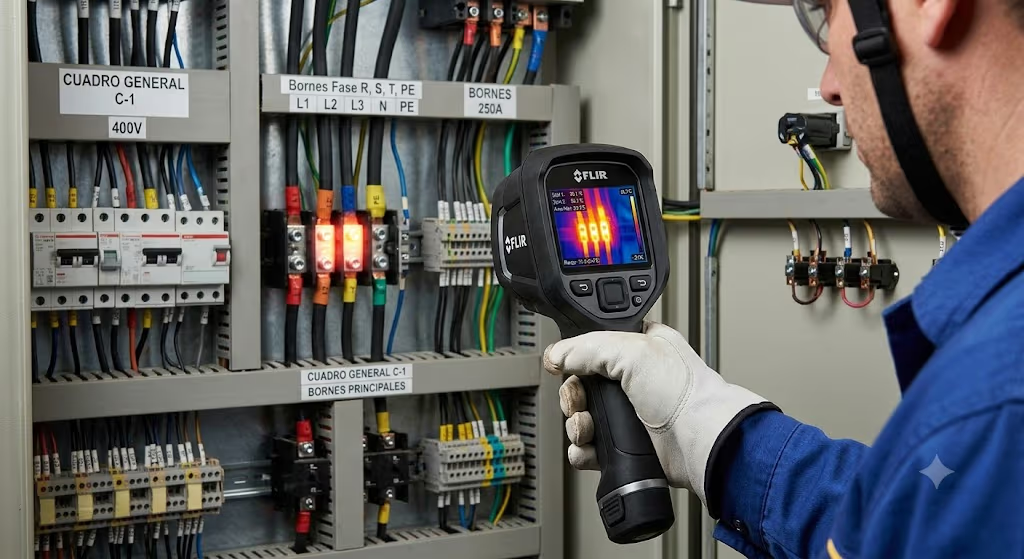
- Infrared thermography under load: locates hot spots on terminals, protective devices and busbars before they turn into a breakdown or a fire. It must be done with the installation running, not idle.
- Tightening torques: re-tightening connections with a torque wrench to the manufacturer's specified torque. Loose connections are the most common cause of hot spots.
- Insulation measurement: insulation resistance of the circuits and continuity checks of the earthing protection.
- Protection testing: tripping of RCDs, verification of circuit breakers and of the emergency stops associated with the panel.
- Internal cleaning: vacuuming and removal of conductive dust, checking filters and forced ventilation where fitted.
- Technical report: a signed document with thermal images, measurements, defects graded by severity and recommended actions with deadlines. Without a report, the inspection doesn't exist in the eyes of an auditor or an insurer.
Thermography: 20% of the cost, 80% of the value
Of everything above, thermography is the tool that anticipates the most failures per euro spent: a loose terminal can go from 40 °C to over 100 °C within a few months under load, and the camera sees it while it can still be fixed with a simple re-tightening. It is the same philosophy we apply to predictive maintenance in automated plants: measure to act before the failure, not after it.
3 How often should an industrial electrical panel be inspected?
The right frequency is not a fixed number: it depends on the panel's environment and on what it costs when the line it feeds stops. This is the practical reference we use when designing maintenance plans:
| Environment | Recommended frequency | Reason |
|---|---|---|
| Standard industrial (clean, dry hall) | Full annual inspection | Slow degradation; annual thermography catches issues in time |
| Dust, humidity or vibration (cement, wood, wet food processing) | Every 6 months + interim thermography | Conductive dust and corrosion accelerate failures |
| ATEX zones / explosive atmospheres | Reinforced, documented plan according to zone classification | The enclosure and protections are part of the explosion safety |
| Critical installations (continuous process, industrial refrigeration) | Every 6 months + continuous monitoring where feasible | The cost of a stoppage justifies permanent surveillance |
If you have panels in classified areas, the maintenance plan is neither optional nor generic: see our guide to ATEX electrical panels for hazardous areas.
4 What do the regulations require? REBT and responsibilities
In Spain, the reference is the Low Voltage Electrotechnical Regulation (REBT), approved by Royal Decree 842/2002. Its complementary technical instructions (ITC-BT) establish two obligations that directly affect panels:
- Upkeep: the owner of the installation is obliged to keep it in good working and safe condition. This is not a recommendation: it is an obligation of the owner, not of the panel manufacturer.
- Periodic inspections: certain industrial installations (by power rating, use or classification) must pass a periodic inspection by an authorised control body. Arriving at that inspection with a history of reviews and reports makes the difference between a formality and a list of defects.
5 Corrective vs preventive: the cost of doing nothing
The alternative to preventive maintenance is not "free": it is corrective maintenance, i.e. repairing once it has already failed. And the cost difference is not in the repair itself, but in the stoppage that comes with it:
The maths is simple: if one hour of stopped line costs you — between lost production, staff and restart — in the order of hundreds or thousands of euros, and a typical electrical failure means 4 to 24 hours of downtime (diagnosis, spare part, repair and restart), the annual preventive plan for the whole fleet usually pays for itself by avoiding a single breakdown. On top of this comes the risk of a fire of electrical origin, where we are no longer talking about hours but about the entire installation.
Preventive maintenance also extends the panel's service life and postpones the investment of replacing it. When obsolescence can no longer be fixed with maintenance, it is time to read when to renew your control panels.
6 Maintenance contract with 24-hour service
For plants with several panels, the formula that works best is the annual maintenance contract: a scheduled inspection plan for the whole fleet, reduced unit prices compared with one-off interventions, and — the part that is truly appreciated at 3 a.m. — 24-hour technical service with a committed response time in the event of a breakdown.
At Nexum Automatics we combine both: we carry out the preventive work (thermography, torques, insulation, cleaning and report) and keep the 24 h stand-by for the corrective work that may still arise. Since we build and install industrial electrical panels ourselves, the same team that inspects your panel can modify, extend or replace it with no middlemen.
Frequently asked questions
How much does preventive maintenance of an industrial electrical panel cost?
An annual preventive inspection of a standard industrial electrical panel costs between €300 and €900 per panel, including visual inspection, thermography, torque checks on connections, insulation resistance measurement, cleaning and a technical report. With an annual contract covering the whole panel fleet the unit price drops, and it is quoted based on the number of panels, criticality and environment. These are orientative ranges based on Nexum Automatics' project experience.
What does a preventive electrical panel inspection include?
Visual inspection of the general condition, infrared thermography under load to detect hot spots, verification of connection tightening torques, insulation resistance measurement, testing of RCDs and protective devices, internal cleaning and a technical report with findings and recommended actions.
How often should an industrial electrical panel be inspected?
As a practical rule: once a year in standard industrial environments, every 6 months in dusty, humid or high-vibration atmospheres, and with reinforced, documented plans in ATEX zones or critical installations. A quick thermographic survey under load can be scheduled between full inspections.
Is maintenance of industrial electrical panels mandatory?
In Spain, the low-voltage regulation REBT (Royal Decree 842/2002) requires the owner to keep low-voltage electrical installations in good condition and establishes periodic inspections by an authorised control body for certain industrial installations. Documented maintenance is also key for insurers and audits: responsibility always lies with the owner of the installation.
The bottom line
Preventive maintenance of industrial electrical panels costs €300–900 per panel per year — less under a fleet contract — and includes thermography, tightening torques, insulation, cleaning and a report. Set against that, a single failure with downtime can cost more than years of inspections. The right frequency is set by the environment (annual in standard conditions, six-monthly with dust or humidity, a reinforced plan in ATEX zones), and the REBT makes upkeep an obligation of the owner, not an option.
See how we approach it in our industrial electrical panels service.
How much would it cost to maintain your panel fleet?
Tell us how many panels you have, in what environment they work and when we can access them. We will prepare a preventive maintenance plan with a fixed price and 24-hour technical service included.
Request a quoteNexum Blog
Related articles

19 Jan 2026
The definitive guide to increase competitiveness without increasing the number of employees
For years, business growth has been linked to an almost automatic idea: more work requires more people. The good news is that growing competitiveness without increasing headcount is not only possible, but strategic. In this guide we explain how to do it realistically, sustainably and without burning out your team.
2 Jul 2026
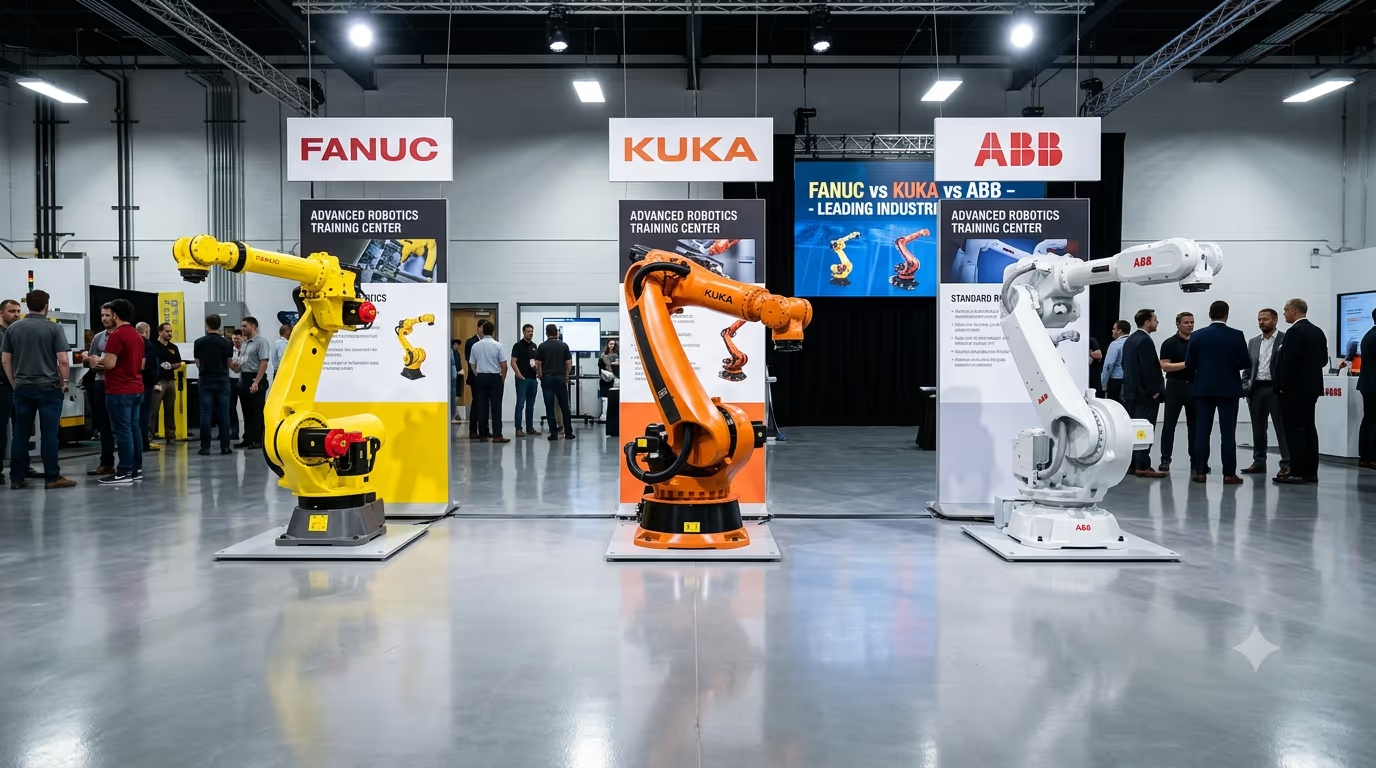
How to choose: FANUC vs KUKA vs ABB
How to choose a robot integrator and brand (FANUC vs KUKA vs ABB): criteria, certifications, key questions and red flags to check before you sign.
3 Jan 2026
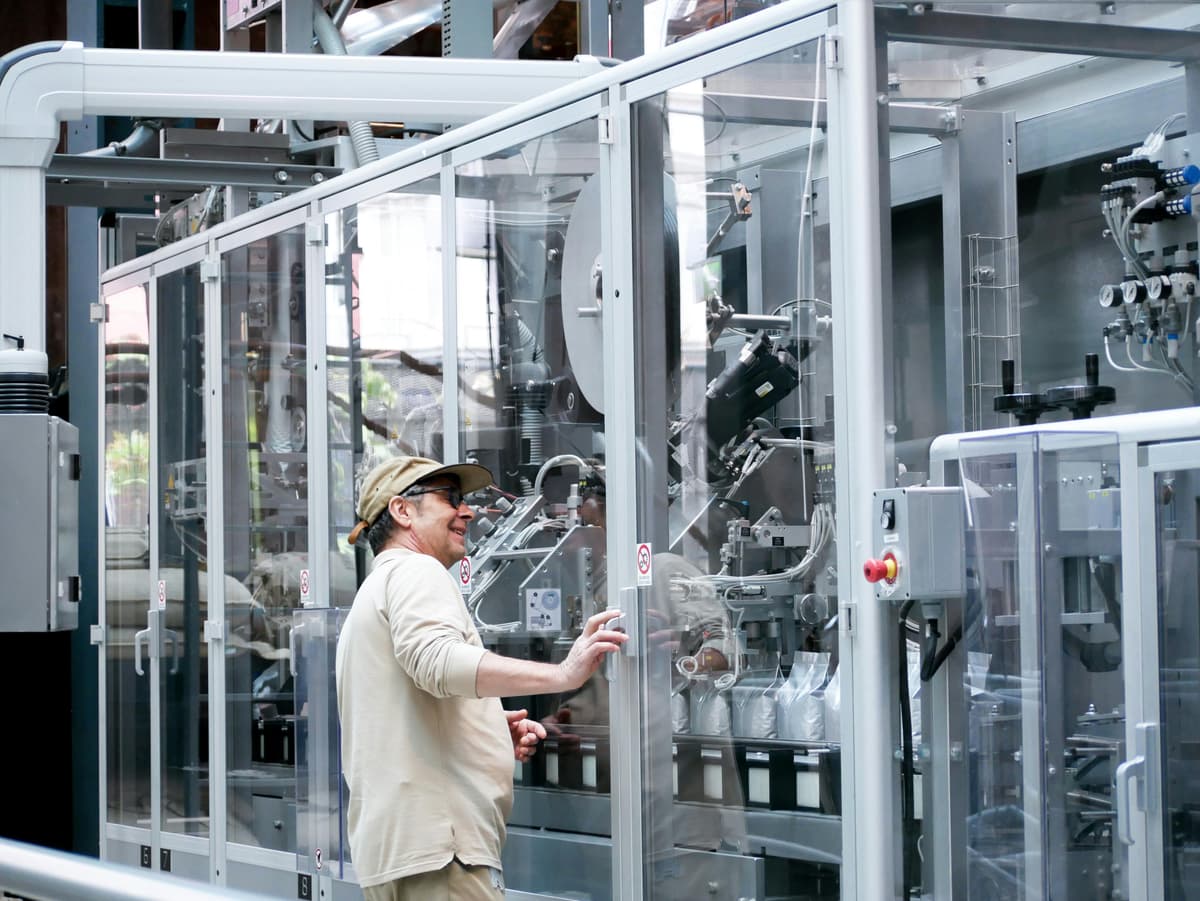
Automated industrial plants: what are they, applications and when to implement them?
Could your production process be more efficient and safer? In this article we explain what automated industrial facilities are, where they are applied and when it makes sense to implement them.