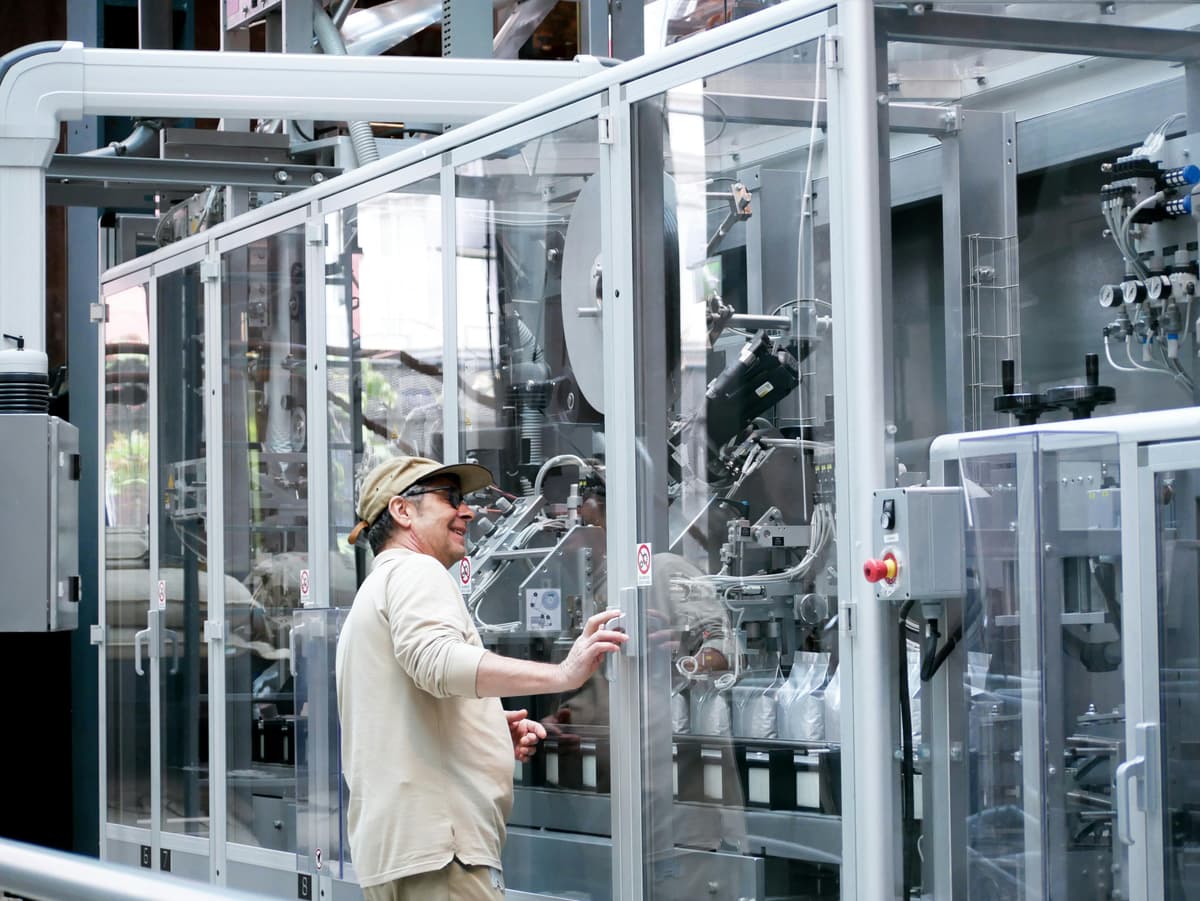
Automated industrial plants: what are they, applications and when to implement them?
· by Panayot Dimkov
Industrial automation has undergone remarkable evolution in recent years, driven by the need to produce more, better, and with greater control. In this context, automated industrial facilities have become a key tool for improving productivity, increasing process accuracy, and enhancing plant safety. From simple tasks to critical operations, these types of solutions allow for the optimization of resources and greater agility in adapting to the current demands of the industrial environment.
In this article, we analyze what industrial automation is, what is meant by automated industrial facilities, in which processes they are most frequently applied, and when it makes sense to invest in their implementation.
What is industrial automation?
Industrial automation is based on the application of control and monitoring technologies —such as PLCs, industrial robots, sensors, actuators, and specialized software— to execute production processes in a controlled manner, reducing direct manual intervention.
Its purpose is to improve the overall efficiency of the process, ensure consistent quality, and minimize errors resulting from repetition or operational variability. Automation can range from complete processes to specific phases within a production line, depending on the needs of each plant.
With the consolidation of industrial digitization, automation has become a decisive factor in maintaining competitiveness, both in large facilities and in smaller-scale industrial environments.
What are automated industrial facilities?
Automated industrial facilities are integrated systems that combine machinery, industrial robots, control systems, sensors, and software to execute one or more production processes automatically and in a coordinated manner.
Unlike standard solutions, these facilities are designed specifically for each application. Factors such as the type of product, production rate, available space, quality requirements, and integration with existing equipment determine the final design. For this reason, these are customized projects, aimed at meeting the real and specific needs of each production environment.
Most common applications of automated industrial facilities
Automated industrial facilities can be applied to a wide variety of processes. Among the most common uses are:
Handling and pick & place
Automation of loading, unloading, positioning, and sorting operations. These applications increase process speed, improve accuracy, and reduce errors associated with repetitive manual handling.
Automated welding
Integration of automated systems for arc, spot, or laser welding. These types of solutions guarantee consistent quality, high process repeatability, and a significant improvement in personnel safety.
Palletizing and end-of-line
Automation of palletizing, boxing, and order preparation tasks. Contributes to reducing physical effort, minimizing downtime, and improving end-of-line stability.
Assembly and repetitive processes
Automation of assembly, screwing, or component handling operations, particularly suitable for medium and high production volumes where repeatability and precision are crucial.
Integration into existing lines
Modernization of production lines through the incorporation of automated systems that integrate with existing machinery, improving performance and extending the useful life of the plant.
Advantages of automating industrial facilities
The implementation of automated industrial facilities brings clear benefits when designed appropriately and aligned with the real needs of the production process:
Higher productivity and more agile processes
Thanks to reduced cycle times and more consistent execution of operations, automation allows for increased production capacity without compromising quality.
More stable and repeatable quality
Automation minimizes process variations and ensures consistent results in the final product, even in continuous or high-volume production.
Fewer operational errors and safer working environments
This is especially relevant in repetitive or critical tasks, where manual intervention introduces variability and risk of failure. On the other hand, by eliminating or reducing staff exposure to dangerous or ergonomically unfavorable tasks, overall plant safety is improved.
More predictable and controlled production
Greater process stability facilitates planning, production control, and meeting deadlines.
Medium- and long-term cost optimization
Improved overall process efficiency and reduced incidents enable more efficient use of resources.
When does it make sense to implement an automated industrial facility?
Automation is usually a particularly suitable option when one or more of the following circumstances apply to your company:
- Highly repetitive processes with high resource consumption
- Recurring quality issues or variability in the final product
- Need to increase production rates
- Risks to operator safety or ergonomics
- Productive growth without a proportional increase in staff
- Need to improve traceability and process control
In these cases, a prior technical analysis is essential to assess the feasibility of the project, the return on investment, and the actual scope of automation.
Would you like to know if an automated installation is feasible in your plant?
Industrial automation is not a generic solution. Each project must be studied in detail to ensure its profitability and proper functioning. You can find out everything you need to know about the project you have in mind here.
Nexum Blog
Related articles
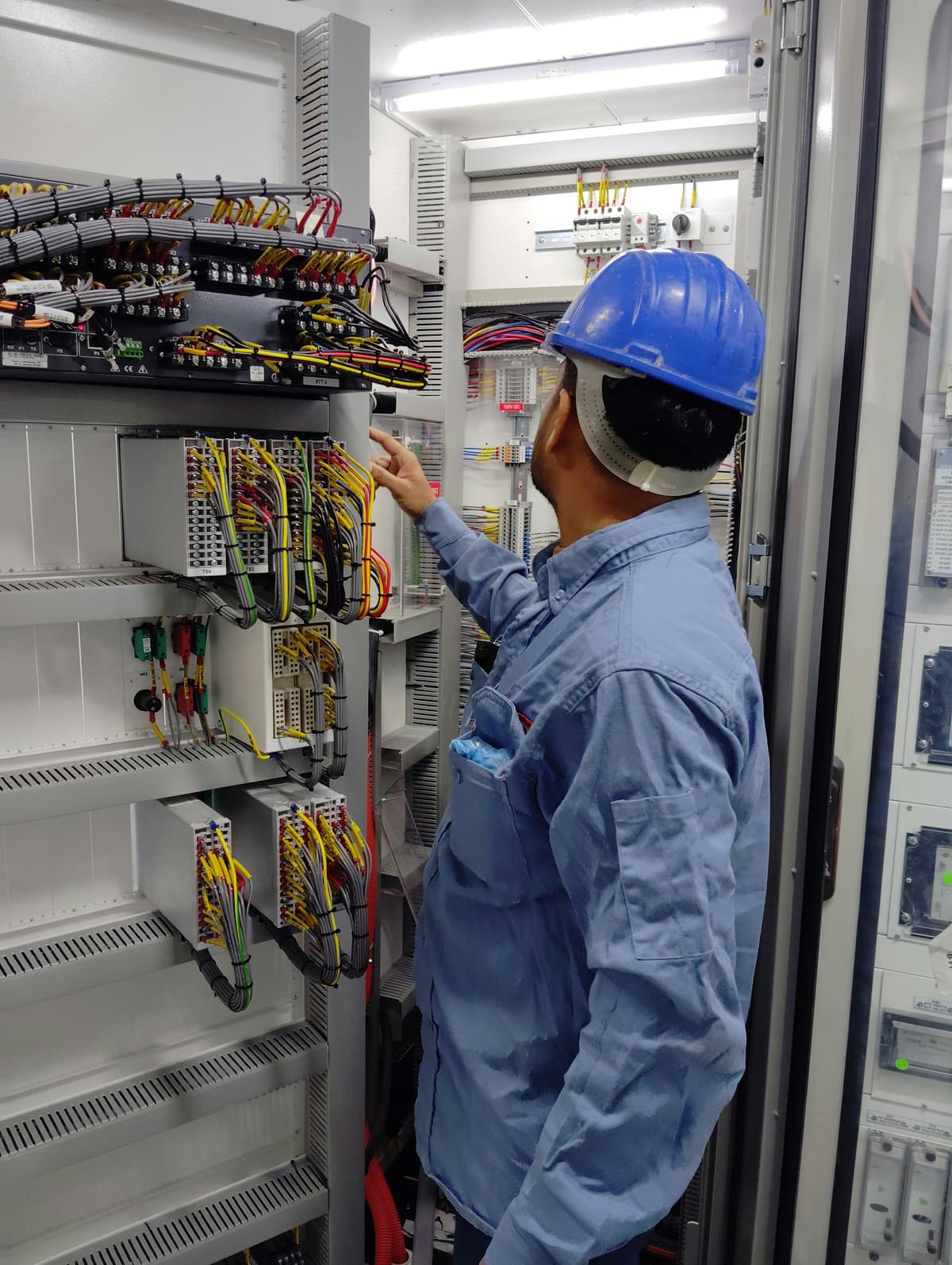
3 Jan 2026
Industrial electrical control panels: actual uses in the plant and when to renew them
What is an industrial electrical control panel, what is it used for and how to detect when it is no longer reliable. Practical criteria for plant renovation.
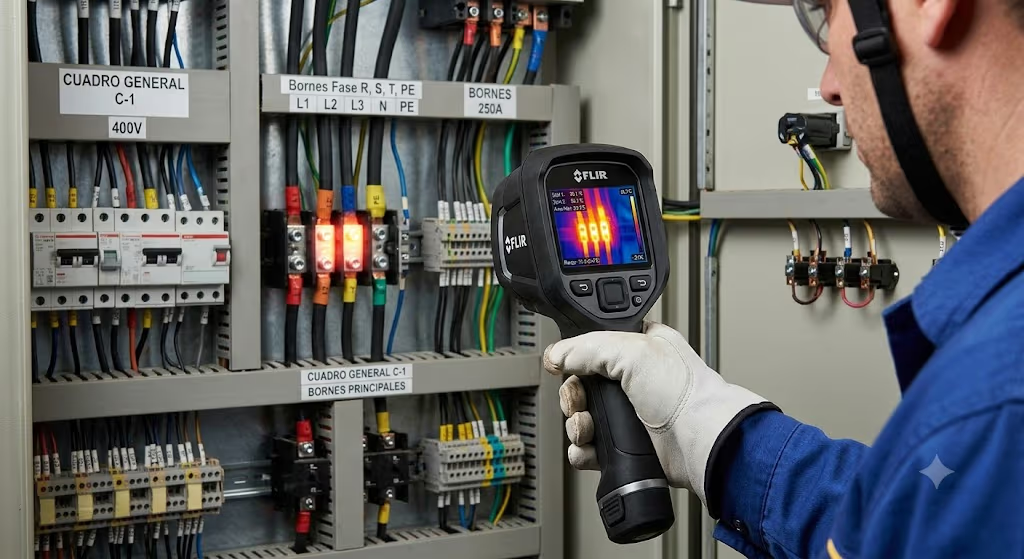
2 Aug 2026
Industrial Electrical Panel Maintenance: Price Guide
Industrial electrical panel maintenance price: €300–900 per annual inspection, what it includes, frequency by environment and standards. Get a quote.

2 Oct 2026
Supplier Invoice Automation: The Real Cost
What it really costs to automate supplier invoices, the volume at which it pays off and how to run the numbers with your own figures before investing.