" Cost of Automating a Production Line in 2026 The cost of automating a production line is the question most plant managers and CFOs search for on Google—and one that few integrators answer with real data. Here it is, broken down by industry and type of automation.
1
What’s Included in the Total Cost of Automating a Line
The total budget for an automated production line breaks down as follows:
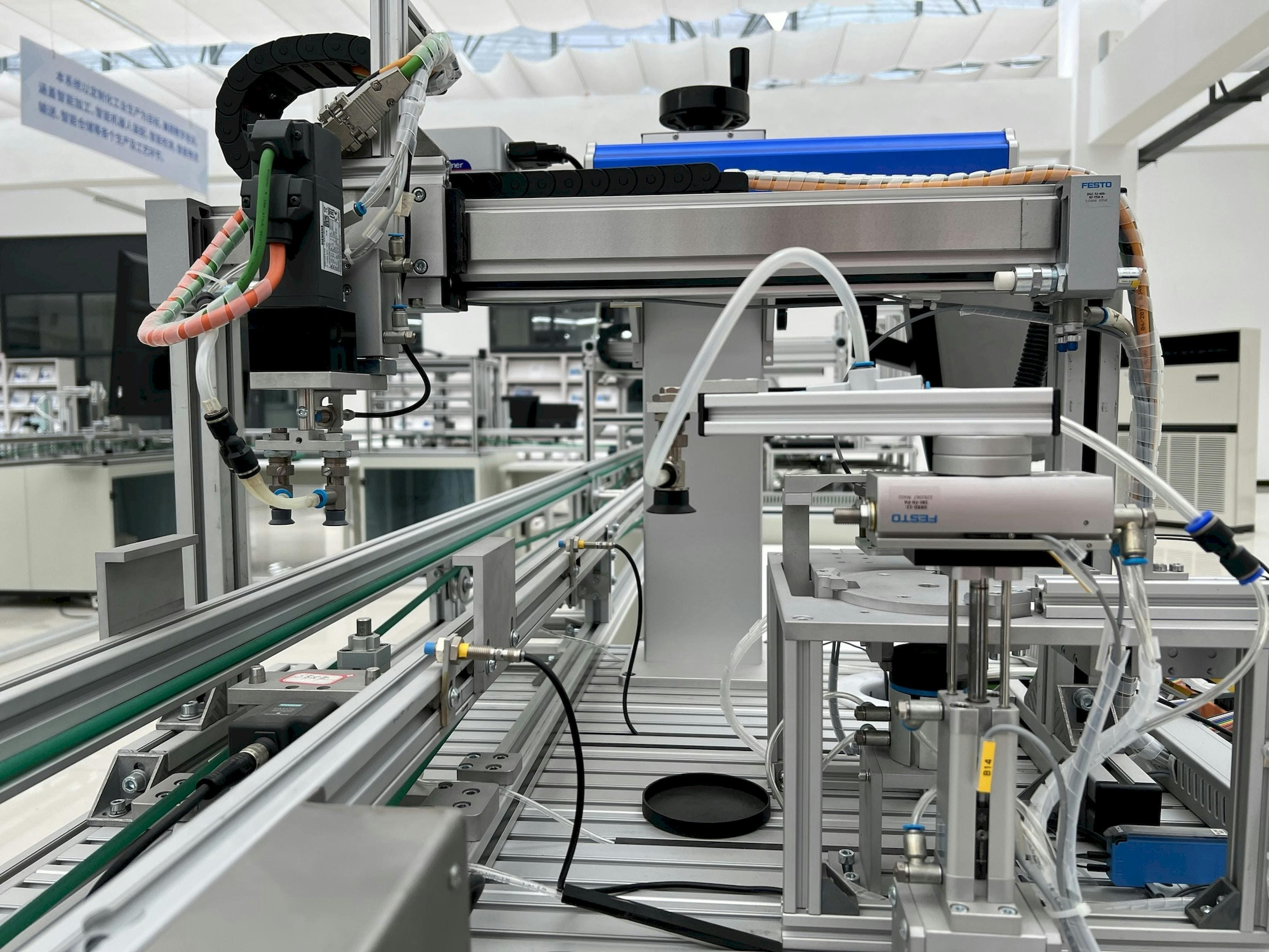
- Industrial robots or cobots (25–40%): the robotic arm, controller, and base software.
- Control and power panels (10–20%): IEC 61439 panels with PLCs, drives, and communications.
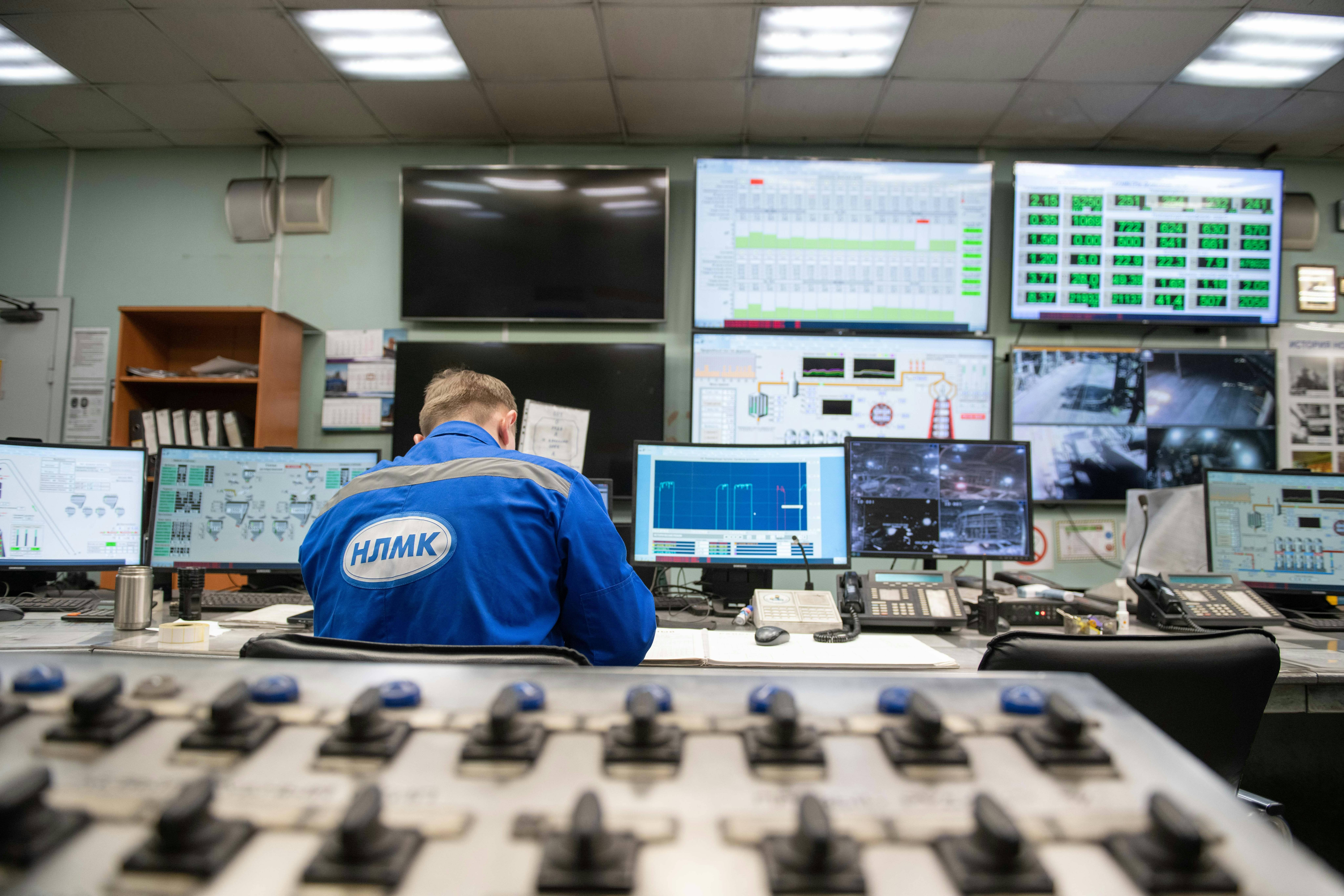
- SCADA or line monitoring system (5–15%): monitoring, historian, and alarms.
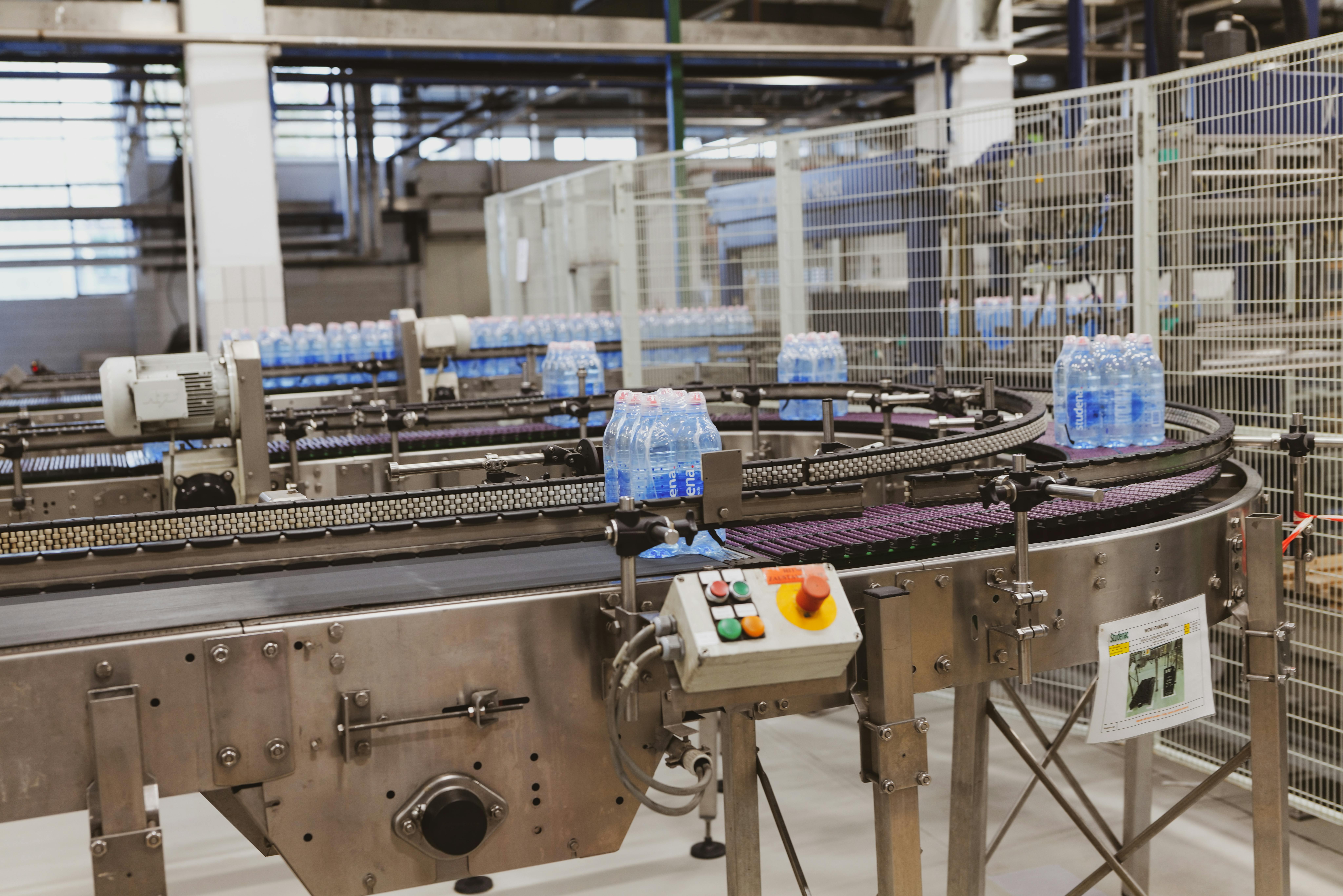
- Conveyor systems (10–20%): conveyor belts, AGVs, turntables.
- End-of-arm tools (5–15%): grippers, welders, machine vision cameras.
- Design and integration engineering (15–25%): the most variable cost item in complex projects.
- Installation, commissioning, and training (5–10%).
Hiring an integrator that manufactures electrical panels in-house and programs the SCADA system reduces coordination costs between subcontractors by 10–15%.
2
Investment ranges by industry type
Level of automationDescriptionInvestment range
Partial automation
Robot at a palletizing or packaging station
€40,000 – €100,000
Semi-automation
2–4 robots + SCADA + custom control panels
€150,000 – €400,000
Complete line
Machine vision + digital twin + MES
€400,000 – €800,000+
3
How to calculate your project’s ROI
The ROI of automating a production line depends mainly on current labor costs, production throughput, and the quality levels of the manual process. For palletizing or packaging lines with operators working two shifts, the typical ROI for a robotic cell is 18 to 36 months. For welding lines with high repeatability, it can be less than 18 months thanks to reduced scrap rates (15–25%) and increased throughput (20–40%).
→ Nexum Production Lines
4
Grants and funding available in 2026
In 2026, Spanish manufacturers can access NextGenerationEU (PRTR) funds with grants of up to 40% for digitalization and Industry 4.0, programs from the Community of Madrid and other autonomous communities (grants ranging from €20,000 to €200,000), ICO lines with preferential terms (reduced rates, terms up to 20 years), and 25% R&D&I tax deductions for projects involving in-house technological development.
5
Frequently Asked Questions
How much does it cost to automate a production line in Spain?
In Spain in 2026, costs vary widely: partial automation (robot for palletizing or packaging) from €40,000 to €100,000; a semi-automated line with multiple robots and SCADA from €150,000 to €400,000; a fully automated line with machine vision and MES can exceed €600,000. For most SMEs, partial automation with an ROI of less than 3 years is the most common entry point.
What is the typical return on investment?
ROI depends on current labor costs, throughput, and quality levels. For palletizing or packaging lines operating in two shifts, the typical ROI is 18 to 36 months. For welding with high repeatability, it can be less than 18 months. SMEs with short production runs and cobots achieve ROI in 12–18 months due to reduced changeover times.
What components are included in the budget for an automated line?
The budget breaks down as follows: robots or cobots (25–40%), electrical panels (10–20%), SCADA (5–15%), conveyor systems (10–20%), end-of-arm tools (5–15%), engineering (15–25%), installation and training (5–10%). Engineering accounts for a larger proportion in complex projects or those with a high degree of customization.
Can a line be automated without stopping production?
Yes. With the right strategy, it is possible through phased implementation: the less critical stations are automated first during scheduled maintenance, the cell is installed alongside the manual station, and commissioning takes place during a weekend shift. Once validated, the manual station is removed. This approach spreads the investment over 3 to 6 months per phase.
What funding is available to finance automation?
In 2026: NextGenerationEU (PRTR) funds with grants of up to 40%; regional programs (Madrid, Catalonia, Basque Country) with grants ranging from €20,000 to €200,000; ICO lines with preferential terms (terms up to 20 years); and a 25% R&D&I tax deduction when the project incorporates proprietary technological development.
Want to know how much it would cost to automate your production line? Request a no-obligation technical assessment.
Contact Nexum →
function toggle(btn) { var item = btn.closest('.faq-item'); var isOpen = item.classList.contains('open'); document.querySelectorAll('.faq-item.open').forEach(function(el){ el.classList.remove('open'); }); if (!isOpen) item.classList.add('open'); } "