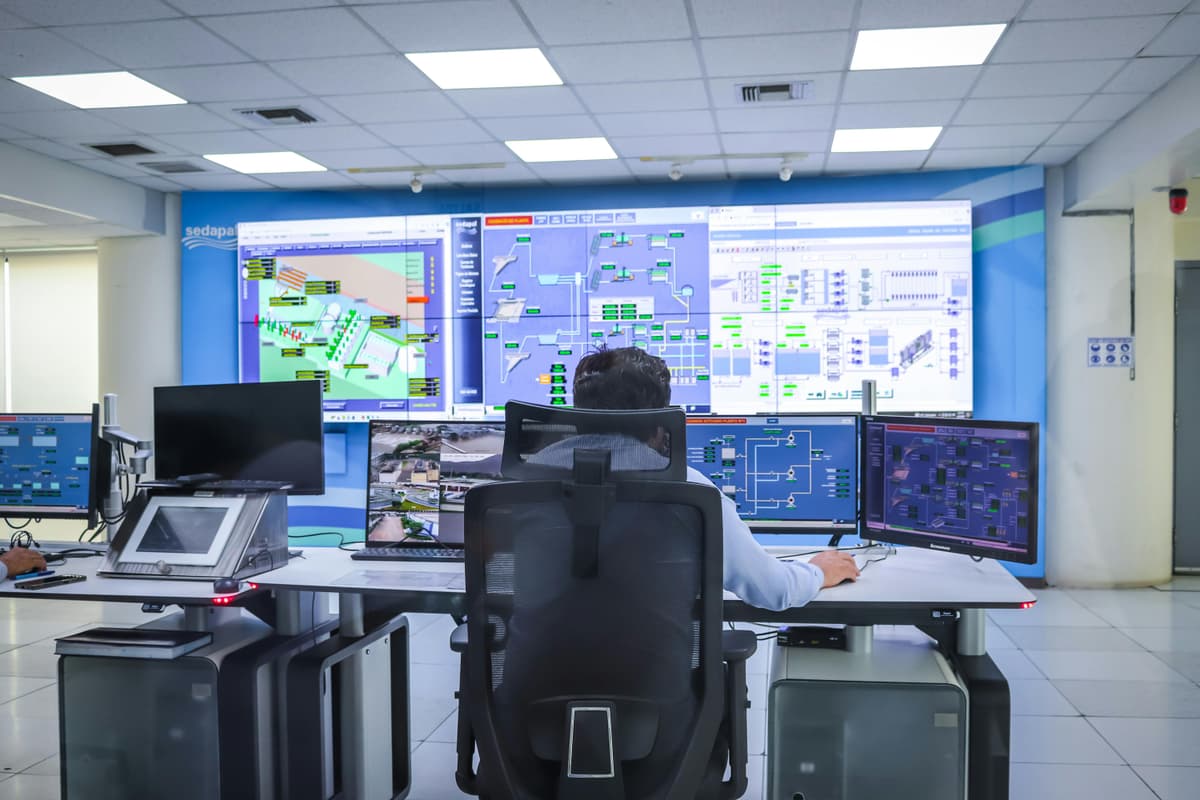
What is a SCADA system and what is it for?
· by Panayot Dimkov
In modern industrial settings, the ability to monitor, control, and respond to what is happening on the shop floor in real time is no longer a luxury—it is a competitive advantage. SCADA systems are the backbone of that capability.
What does SCADA stand for?
SCADA stands for Supervisory Control and Data Acquisition. It is a software and hardware system designed to monitor and control industrial processes—both locally and over long distances—by collecting data from sensors, actuators, and field equipment.
It is not a single product: it is an architecture composed of several components that work in coordination. Its main objective is to provide operators with a centralized, real-time view of the status of their operations, with the ability to take action when necessary.
Architecture of a SCADA System
A typical SCADA system is organized into well-defined layers, from the physical field to the control room. At the base are the sensors and field instrumentation, which measure variables such as temperature, pressure, or flow. Above them, the control units—PLCs and RTUs—collect this data and execute the automation logic. The communications network transmits the information to the SCADA server, where everything is centralized. Finally, the HMI interface is the screen the operator sees, from which they monitor and control the process.
The key components of any SCADA system are: sensors and instrumentation, RTU (Remote Terminal Unit), PLC (Programmable Logic Controller), communications network, SCADA server, HMI (Human-Machine Interface), data historian, and alarm system.
What is a SCADA system used for?
The main functions of a SCADA system can be summarized into four broad areas:
- Real-time monitoring: the operator views the status of all equipment, process variables, and active alarms on a screen without needing to physically go to the plant.
- Remote control, which allows operators to control valves, pumps, motors, and other components from the control room or even from mobile devices.
- Historical logging: all process data is stored with a timestamp, enabling trend analysis, production reports, and audits.
- Alarm management, through which the system automatically detects abnormal conditions and alerts personnel, reducing response time to failures.
Sectors where SCADA is essential
SCADA systems are present in virtually any industry that manages large-scale physical processes. In the energy sector, they control electrical grids, substations, and solar and wind power plants. In water and sanitation, they manage water collection, treatment, distribution, and wastewater treatment. In the process industry—chemical, pharmaceutical, food, and petrochemical—they are the cornerstone of automation. They are also essential in rail transport, in the oil and gas sector for controlling oil and gas pipelines, and in smart buildings for managing HVAC, security, and energy efficiency.
SCADA vs. DCS vs. HMI: What’s the difference?
It is common to confuse these three terms.
- SCADA is designed for geographically distributed facilities, such as a water supply network or a regional power grid.
- DCS (Distributed Control System) is used in single plants with continuous processes, such as a refinery or a chemical plant.
- The HMI is simply the operator interface—the screen from which data is viewed and controlled—and can be part of either a SCADA or a DCS.
In practice, modern systems combine all three technologies. A SCADA system can integrate multiple local HMIs and communicate with area DCS systems to provide a unified view of the entire operation.
SCADA in the Age of Industry 4.0
Digital transformation is significantly changing the SCADA paradigm. Today’s systems are no longer isolated islands: they integrate with IIoT platforms, data analytics, digital twins, and ERP/MES systems to create what is known as converged OT/IT architecture.
This opens up new possibilities: predictive maintenance based on historical data, process optimization using machine learning, or secure remote access via hybrid cloud infrastructures. However, this connectivity also introduces new challenges in industrial cybersecurity. Protecting SCADA systems against external threats is now a critical priority that must be addressed from the design phase.
When does your company need a SCADA system?
There are several signs that indicate it is time to implement or modernize the system. If operators rely on manual rounds to check equipment status, if there is no reliable historical record of process variables, if fault detection and response times are long, if the geographical dispersion of facilities hinders centralized monitoring, or if the current system does not integrate with new management or analytics tools, it is time to take the plunge.
At Nexum, we help industries of all kinds design, implement, and maintain SCADA systems tailored to their needs. We analyze your process and propose the most suitable solution.
Nexum Blog
Related articles
3 Jul 2026
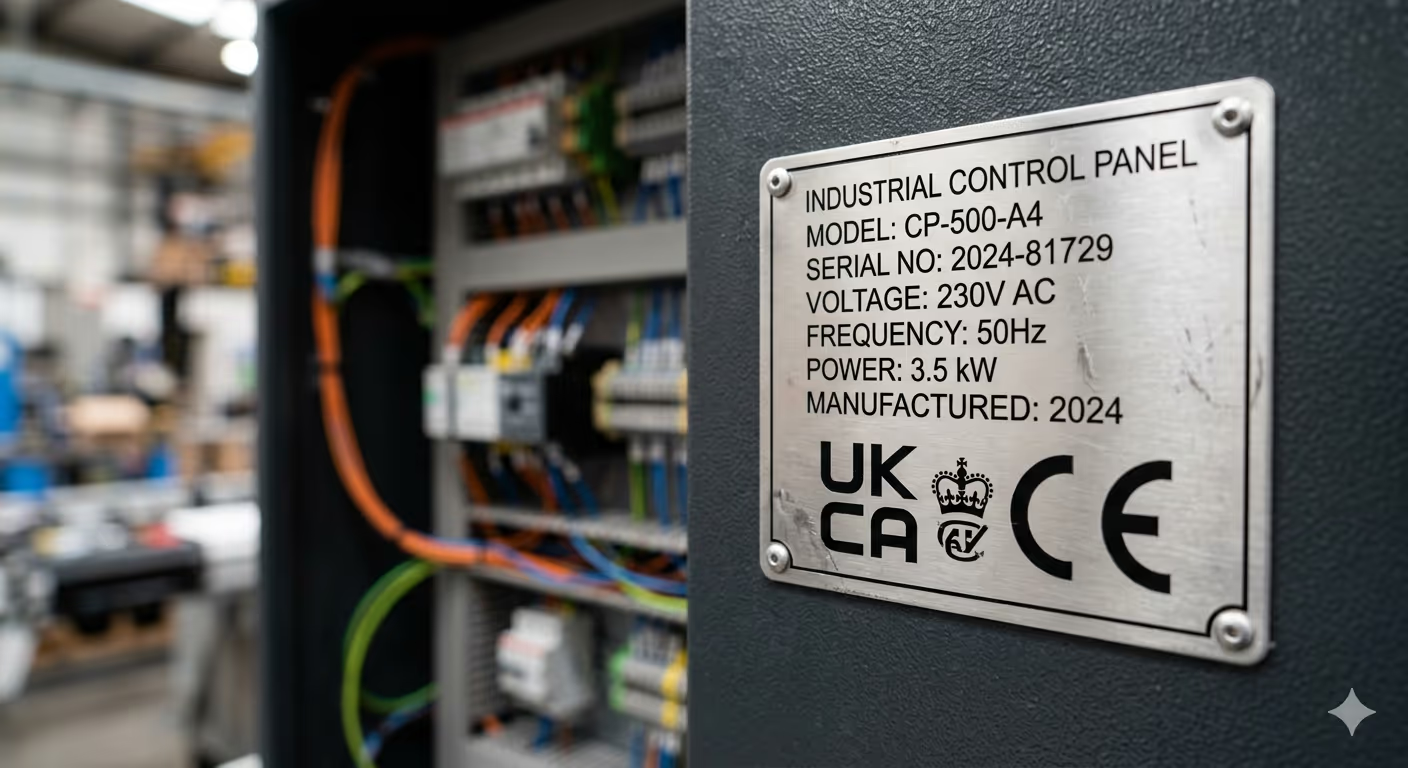
UKCA vs CE Marking for Control Panels
UKCA vs CE marking for electrical control panels: which directives apply, the real 2026 status and what you need to export panels to Great Britain.
4 Aug 2026
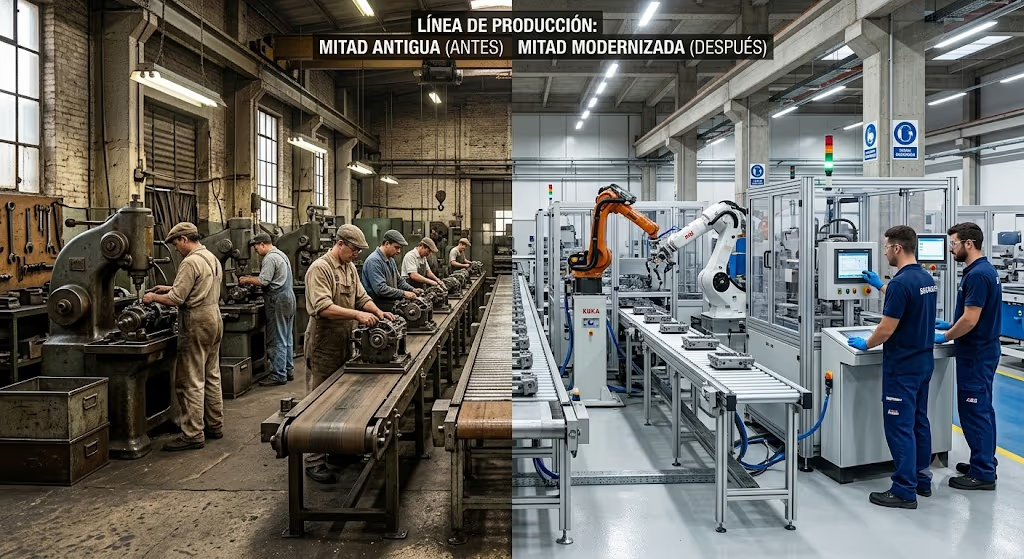
How Much Does a Production Line Retrofit Cost?
Production line retrofit cost: €20,000–400,000 depending on scope, the 4 retrofit levels, ROI in 12–24 months and how to avoid long production stops.
23 Apr 2026
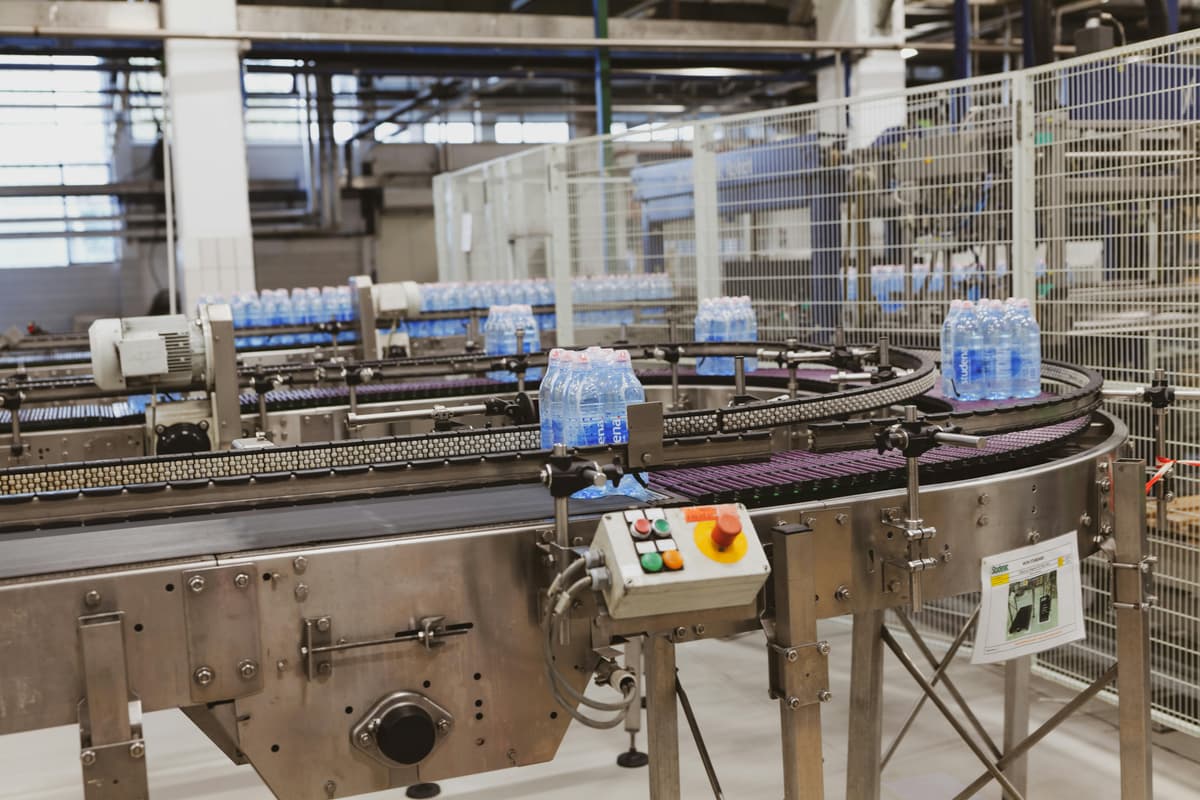
Cost of Automating a Production Line 2026
It depends on what you want to improve and the complexity of the process. We explain the factors that determine the price and how to calculate the return.